

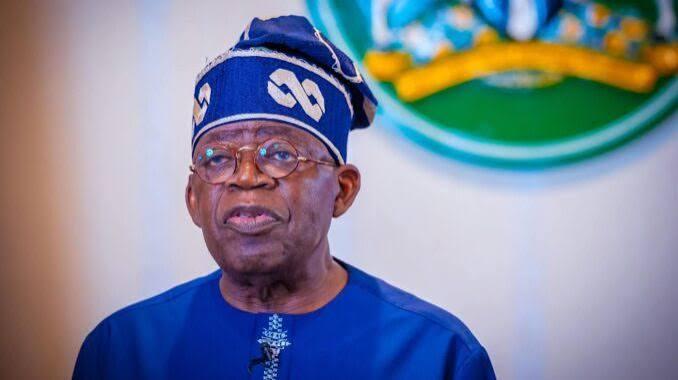
Nigeria’s digital economy has recorded sweeping reforms and infrastructure expansion over the last three years under President Bola Ahmed Tinubu’s Renewed Hope Agenda, with new government data highlighting major achievements in innovation, broadband connectivity, digital literacy, telecom sector sustainability and government digital services.
The compendium outlines progress made between May 2023 and mid‑2026, positioning Nigeria for accelerated digital transformation and a more inclusive technology‑driven economy.
Innovation and Startup Ecosystem Expands Nationwide
Nigeria’s innovation landscape has grown significantly, driven by new digital hubs, startup support programmes and research funding.
The Nigerian Communications Commission (NCC) established Digital Innovation and Industrial Parks in Abeokuta and Kano, serving as centres for training, incubation and high‑speed connectivity. The National Information Technology Development Agency (NITDA) deployed 21 Community IT Centres and 192 Digital Economy Centres nationwide to deepen digital inclusion.
The Digital Village Initiative launched in Gwagwalada now provides solar‑powered broadband, telemedicine, e‑learning and public Wi‑Fi to underserved communities.
Operationalisation of the Nigeria Startup Act advanced with 75 startups labelled, the inauguration of the Startup Consultative Forum, and the iHatch incubation programme supporting 238 startups across multiple cohorts.
Government‑funded research also expanded, with ₦200 million in 4IRTA and NAIRS grants awarded to 55 researchers applying AI and Fourth Industrial Revolution technologies to agriculture, health and education.
Digital Skills Programmes Train Millions
Large‑scale digital talent programmes are accelerating workforce readiness.
The 3 Million Technical Talent (3MTT) programme has trained 300,000 Nigerians in coding, cloud computing, cybersecurity and data analytics. The Build‑A‑Thon initiative trained 7,000 secondary school students in robotics, IoT and coding across 14 states.
The National Girls in ICT Programme engaged 5,000 girls, established 36 tech clubs and hosted national competitions.
The Digital Literacy for All (DL4ALL) programme trained 726,071 beneficiaries in the informal sector and 92,197 civil servants, while digital literacy was integrated into university curriculum through a pilot at Nasarawa State University.
Government Digital Services and Data Governance Strengthened
Public‑sector digitisation accelerated through new standards, training and data‑governance reforms.
The DevsInGovernment community trained more than 3,000 civil servants in AI, cybersecurity and data analytics. The government introduced Nigeria Web Design Standards (NWDS) to unify federal websites and improve user experience.
Nigeria launched an AI Scaling Hub with support from the Gates Foundation, backed by a $7.5 million commitment. Digital Public Infrastructure (DPI) standards were released to improve interoperability across digital ID, payments and data exchange systems.
To strengthen compliance with the Nigeria Data Protection Act, 2,248 Data Protection Officers (DPOs) were certified under the National Certification Programme.
Postal Services, E‑Commerce and Digital Finance Modernised
NIPOST underwent major reforms to improve reliability and expand digital financial services.
International mail partnerships were established with KLM, Ethiopian Airlines and Lufthansa, reducing costs and improving delivery timelines. A redesigned NIPOST e‑commerce platform now integrates with Sendbox and NIPOST Messenger.
The agency launched POSTMONI and an agency‑banking network, with 174 agents active across 19 states and operations extended to Cameroon and Togo. More than ₦22 million in transactions have been processed.
Broadband Expansion and Telecom Sector Strengthening
Nigeria’s digital infrastructure saw major upgrades, including fibre deployment, campus connectivity and telecom‑sector reforms.
The government established Project BRIDGE, a special‑purpose vehicle to deploy 90,000 km of new fibre, expanding the national backbone to 125,000 km.
Under the 774 LGA Connectivity Project, VSAT broadband has been deployed in 42 local government areas. The Fibre‑to‑Hostel Initiative launched pilots at the University of Lagos and University of Abuja to deliver 24/7 campus broadband.
The NCC approved a 50% telecom tariff adjustment tied to infrastructure upgrades, unlocking $150 million in new investments, generating ₦1.6 trillion in projected tax revenue and expanding 4G coverage to 94% of the population.
A Digital Economy Positioned for Growth
The Renewed Hope Agenda has delivered measurable progress in digital infrastructure, innovation support, digital literacy, government technology modernisation and telecom sustainability. The administration says these achievements aim to expand access to digital services, empower youth and entrepreneurs, strengthen public‑sector efficiency and position Nigeria for accelerated digital transformation.