

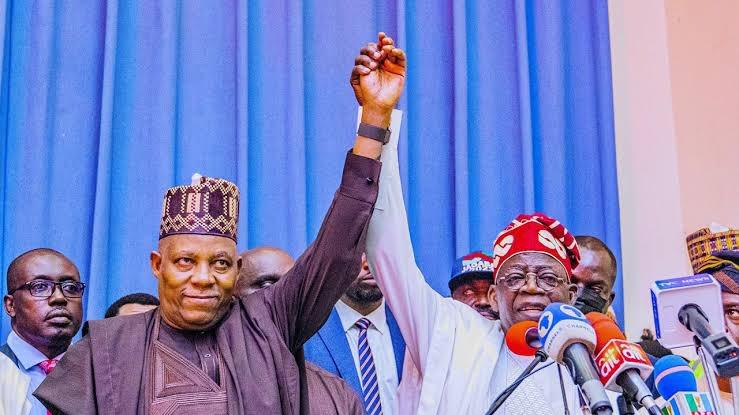
Three years after President Bola Ahmed Tinubu assumed office, a new government compendium—PBATVersary 3.0—has outlined sweeping reforms and measurable gains across Nigeria’s economy, infrastructure, social services and governance. The document highlights landmark policy decisions, institutional restructuring and large‑scale investments implemented between May 2023 and mid‑2026.
The report portrays an administration focused on stabilising Nigeria’s fiscal environment, modernising critical sectors and laying foundations for long‑term growth.
Economic and Financial Reforms Reshape Fiscal Landscape
The administration’s most consequential decisions—fuel subsidy removal and foreign‑exchange unification—are credited with freeing up resources, restoring transparency and improving macroeconomic stability.
The removal of petrol subsidy freed nearly $10 billion annually, reduced Nigeria’s debt‑to‑revenue ratio from 97% in 2022 to 64% in 2024, and cut daily fuel consumption from 66 million litres to 25 million litres. Federation Account (FAAC) allocations doubled, enabling states to reduce debts.
Exchange‑rate unification ended multiple FX windows, boosted reserves to $39 billion in 2024, and helped attract $30 billion in foreign direct investment within 15 months. Banks resumed international card transactions, while the Central Bank cleared a $7 billion FX backlog.
Public debt fell from $113 billion in 2023 to $94 billion in 2024 following securitisation of Ways and Means. Pension arrears of ₦758 billion and sports arrears of ₦12 billion were paid.
The “Nigeria First” procurement policy prioritised local manufacturing and created 240,000 jobs through MSME hubs.
Student Loans and Consumer Credit Expand Access
The National Education Loan Fund (NELFUND) recorded 1.8 million applications, with 1.5 million beneficiaries and ₦282 billion disbursed for tuition and upkeep. Loans are interest‑free, with repayment beginning two years after NYSC.
The Consumer Credit Corporation (CREDICORP) launched a national credit‑access programme, with 1.6 million Nigerians expressing interest. A National Credit Guarantee Company was established to de‑risk lending, with a target of 50% national credit access by 2030.
Energy Transition Through CNG Initiative
The Presidential Compressed Natural Gas Initiative (PCNGi) accelerated nationwide rollout of CNG conversion kits and infrastructure, aimed at reducing transport costs, inflation and emissions.
Tax Reforms Modernise Fiscal Framework
A suite of landmark tax bills was enacted to simplify compliance, expand revenue, reduce leakages and improve Nigeria’s business climate.
Infrastructure Expansion Through RHIDF
The Renewed Hope Infrastructure Development Fund (RHIDF) anchored major national projects, including coastal highways, road reconstruction, rail modernisation, housing development and energy infrastructure. RHIDF was established as a long‑term financing vehicle for large‑scale projects.
Health Sector Records Major Gains
The health sector underwent a comprehensive overhaul, including revitalisation of thousands of primary healthcare centres, improved maternal and child health indicators, expanded insurance coverage and strengthened workforce capacity.
New cancer centres were completed in Katsina, Enugu and Benin, while tertiary hospitals received major upgrades. Workforce expansion included tens of thousands of frontline workers, midwives and community health workers.
Oil and Gas Sector Stabilises
Reforms in the oil and gas sector boosted production to 1.6 million barrels per day, improved regulatory frameworks and strengthened investor confidence.
Food Security Initiatives Support Farmers
Nationwide fertiliser distribution, mechanisation under the Green Imperative, and expanded support for smallholder farmers formed the backbone of the administration’s food‑security strategy.
Power Sector Sees Generation Increase
Average power generation increased from 4,000MW to 6,000MW, supported by new investments in grid modernisation and transmission upgrades.
Digital Economy Renaissance
Nigeria’s digital economy recorded major strides through the rollout of the iDICE programme, expansion of digital literacy, and strengthening of the startup ecosystem. Investments in broadband, innovation hubs and digital‑skills training accelerated nationwide.
Foreign Policy and Diplomacy Strengthened
Nigeria deepened global engagement through strategic partnerships, regional cooperation and renewed diplomatic outreach.
Blue Economy, Solid Minerals and Social Interventions
A new Ministry of Marine and Blue Economy was established to harness maritime resources. The solid‑minerals sector was repositioned for transparency and investment. Multiple social‑intervention programmes supported vulnerable households nationwide.
Housing Development Under Renewed Hope Cities
The Renewed Hope Cities and Estates programme set a target of 100,000 affordable homes in four years, with construction underway across multiple states.
Reforms in Interior, Justice, Aviation and Security
Key achievements include clearance of passport backlogs, judicial modernisation, aviation‑infrastructure upgrades and strengthened internal‑security operations.
A Broad Catalogue of Reforms
The PBATVersary 3.0 document presents a wide‑ranging catalogue of reforms across Nigeria’s economy, infrastructure, social services and governance. It emphasises bold policy decisions—such as subsidy removal, FX unification and tax reforms—alongside large‑scale investments in education, housing, digital economy, health and national security.